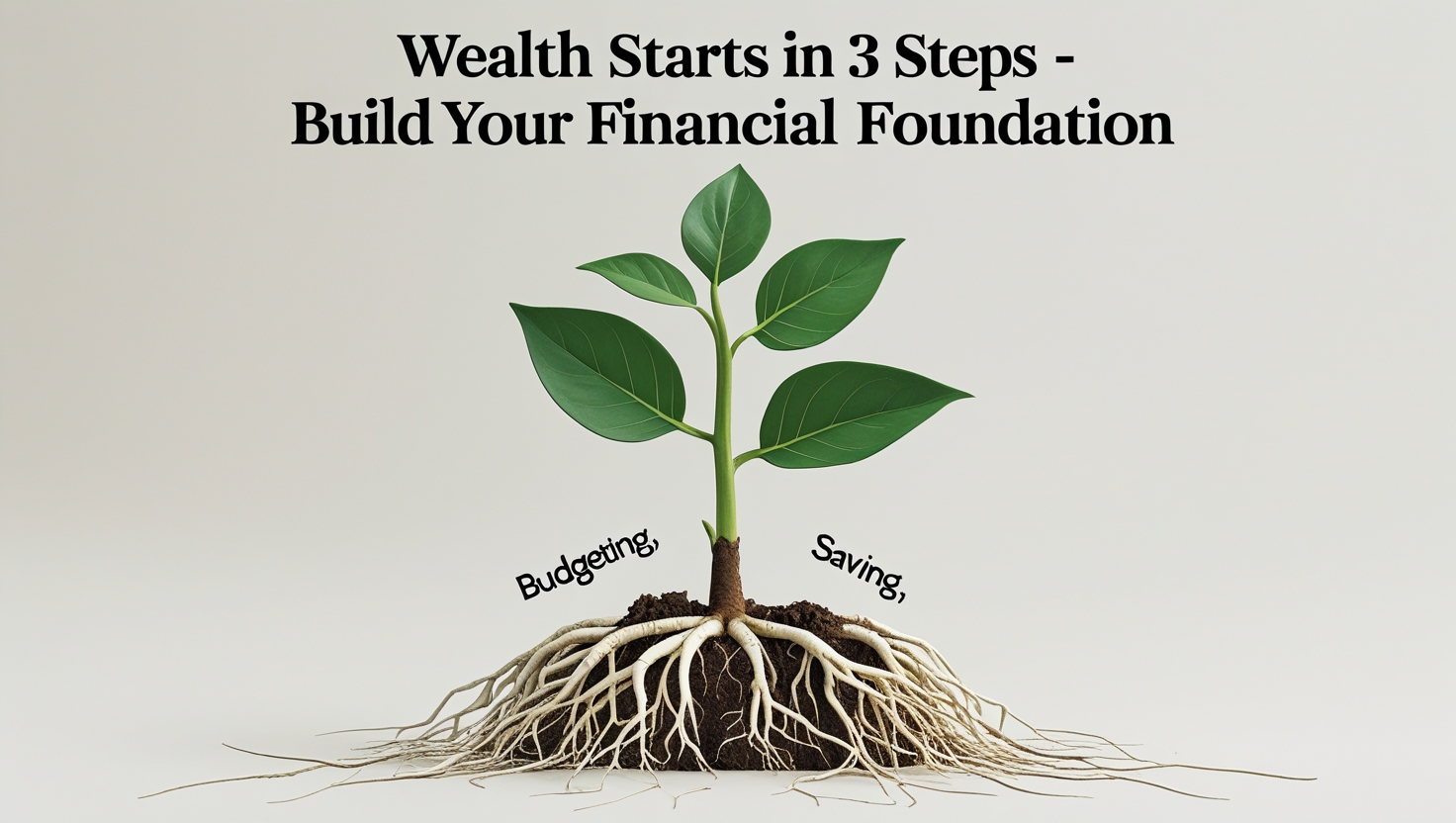
Wealth Starts in 3 Steps | Build Your Financial Foundation
Building wealth isn’t about luck or quick fixes. It starts with a strong financial base. Without it, even the smartest money moves can fall apart. Many get caught in traps like debt, no savings, or poor planning. But here’s the truth: anyone can start creating wealth today with three simple, proven steps. Think of it as laying bricks, steady, consistent effort builds a sturdy house that lasts.
Step 1: Establish Financial Clarity and Goals:
Developing a Clear Financial Vision:
The first step to building wealth is knowing what it looks like for you. Do you want to buy a house, retire early, or send your kids to college? Defining your personal wealth picture helps you plan better. Without it, it’s easy to get distracted or lose motivation.
Set specific goals, not vague ‘save more’ ideas. For example, aim to save $20,000 for a down payment within two years. Clear goals give your money purpose and guide every decision.
Creating a Realistic Financial Plan:
Next, take a hard look at your current finances. How much do you earn? What do you spend? Do you have debts or assets? Write it all down.
Once you see the big picture, set SMART goals. These are goals that are Specific, Measurable, Achievable, Relevant, and Time-bound. For example, instead of “save more,” you could aim to save $300 each month for the next year.
Use tools like budgeting apps or spreadsheets to track expenses and progress. This helps you see where your money goes and adjust as needed.
Building an Emergency Fund:
Emergencies happen, fixing a car, losing a job, and unexpected medical bills. Having money set aside makes those moments less stressful.
Aim to save 3 to 6 months’ worth of living expenses in an accessible account. It’s better to start small and add to it over time. Keep this fund separate from regular savings, so it’s there when crisis strikes.
Step 2: Manage Expenses and Prioritize Saving:
Budgeting for Financial Health:
A budget is like a map for your money. It shows what’s coming in and going out. Start by categorizing expenses: needs, wants, and savings.
The 50/30/20 rule is a simple way to balance spending. Spend 50% of income on essentials, 30% on wants, and at least 20% on savings or debt repayment.
Looking for ways to cut costs? Small changes, like cooking at home or canceling unused subscriptions, can add up. Cutting back on luxury expenses doesn’t have to mean sacrificing what you love.
Eliminating High-Interest Debt:
Debt, especially high-interest debt like credit cards, eats into your money. It drags down your ability to grow wealth.
Tackle debt by paying off the highest interest loans first (the avalanche method), or tackle the smallest debts to gain quick wins (the snowball method).
For example, paying off credit cards quickly frees more cash to save or invest. Many people have paid off thousands in debt by sticking to simple, focused plans.
Building Consistent Savings and Investments:
Saving regularly is key to wealth. Set up automatic transfers to your savings and investment accounts so you don’t have to think about it.
Diversify your investments. Stocks, bonds, and retirement accounts can all work together to grow your money.
Remember, compound interest is a powerful tool. The more you save early, the more your money works for you over time.
Want to boost your savings? Whenever you get a raise or extra money, like a bonus, increase your contributions. Small changes add up fast.
Step 3: Invest for Growth and Income:
Foundations of Long-Term Investing:
Investing is where your money can really grow. Start early to take advantage of compound growth. Even small investments can become big over time.
Popular options include ETFs, mutual funds, and retirement accounts like a 401(k). They spread your money across many assets, reducing risk.
Asset allocation is important. Don’t put all your eggs in one basket. A mix of stocks and bonds aligned with your risk tolerance helps your portfolio grow steadily.
Developing an Investment Strategy:
Match your investments to your timeline and comfort level. If retirement is 30 years away, you can take more risks. If it’s 5 years, play it safer.
Rebalancing your portfolio periodically ensures your investments stay aligned with your goals.
Use dollar-cost averaging, invest a fixed amount regularly, regardless of market ups and downs. It lowers the risk of buying high and helps smooth out returns.
Generating Passive Income:
Passive income streams earn money with little day-to-day effort, like dividends from stocks, rental income, or online businesses.
These streams add stability and accelerate wealth building. Plus, they offer more financial freedom.
Think about experts like Robert Kiyosaki or Grant Cardone, who emphasize building passive income to reach financial independence faster.
Additional Tips for Building Wealth:
- Keep reviewing your goals and progress. Adjust as your life changes.
- Educate yourself constantly about personal finance. Knowledge is power.
- Don’t be afraid to seek advice from financial professionals when needed.
Conclusion:
Building wealth is simple in theory: get clear on your goals, control your expenses, and invest wisely. Yet, it takes discipline, patience, and consistency. Remember, wealth isn’t built overnight, it’s a marathon. Start today with small, manageable steps. Each one builds on the last, creating a strong foundation that lasts. Your financial future begins now. Build it step by step.
FAQs:
1. How do I start building wealth with limited income?
Begin with clear financial goals, budgeting, and consistent saving—even small amounts matter.
2. Why is an emergency fund important in wealth building?
It protects you from financial setbacks like job loss or medical bills, helping you stay on track.
3. What is the 50/30/20 budgeting rule?
It means spending 50% on needs, 30% on wants, and 20% on savings or debt repayment.
4. How do I choose the right investment strategy?
Match it to your financial goals, time horizon, and risk tolerance, then review regularly.
5. What is passive income, and how does it help?
Passive income is money earned with little effort, like rental or dividend income, and boosts long-term wealth.
6. Can I build wealth without expert financial help?
Yes, with discipline, self-education, and a solid plan, anyone can build wealth on their own.