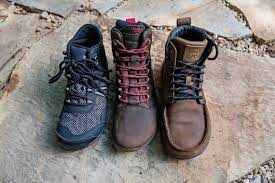
Minimalist Hiking Boots: Embracing Simplicity on the Trails
Looking for hiking boots that prioritize simplicity and comfort on the trails? Look no further than minimalist hiking boots.
These boots offer a lightweight and flexible design, allowing for natural foot movement and maximum comfort.
Whether you’re trekking through rugged terrains or venturing into cold and slippery conditions, minimalist hiking boots have got you covered.
Plus, with their minimal environmental impact, they’re perfect for eco-conscious adventurers.
Get ready to embrace simplicity with minimalist hiking boots on your next outdoor adventure.
The Benefits of Minimalist Hiking Boots
Experience the numerous benefits of minimalist hiking boots by choosing footwear that allows for natural movement and increased comfort on the trails.
Minimalist hiking boots are designed to mimic the experience of walking barefoot while still providing protection and support.
By wearing these boots, you can strengthen your feet and lower legs, improving your balance and stability.
The lightweight construction of minimalist boots also reduces fatigue, allowing you to hike longer distances without feeling weighed down.
These boots are also known for their flexibility, allowing your feet to move freely and naturally, which can help prevent injuries.
Additionally, minimalist hiking boots promote better foot posture by encouraging a midfoot or forefoot strike, reducing the impact on your joints.
Say goodbye to bulky, restrictive boots and embrace the simplicity and benefits of minimalist hiking footwear.
Choosing the Right Minimalist Hiking Boot
When choosing the right minimalist hiking boot, there are two key points to consider: barefoot versus minimalist and trail terrain.
First, decide whether you want a barefoot experience or prefer some level of cushioning and protection.
Next, consider the type of terrain you’ll be hiking on and choose a boot that provides the appropriate grip and stability.
Barefoot Vs. Minimalist
Why should you consider choosing minimalist hiking boots over going barefoot on the trails?
While going barefoot may seem like the most natural option, minimalist hiking boots offer several advantages that can enhance your hiking experience.
First, they provide protection against sharp rocks, thorns, and other potential hazards on the trail, reducing the risk of injury.
Additionally, minimalist hiking boots offer traction and stability, ensuring a secure grip on various terrains.
They also provide insulation and waterproofing, keeping your feet dry and comfortable in wet conditions.
Moreover, minimalist hiking boots offer support and cushioning, reducing strain on your feet and preventing fatigue.
Lastly, they’re lightweight and flexible, allowing for a more natural and unrestricted movement.
Trail Terrain Considerations
Consider the terrain you’ll be hiking on when choosing the right minimalist hiking boot for your adventure. The type of terrain you encounter on your hike will greatly impact the performance and protection your boots need to provide.
For example, if you plan on hiking on rocky or uneven trails, you’ll want a minimalist boot with a durable sole that offers good traction and stability.
On the other hand, if you’ll be hiking on softer, more forgiving terrain, such as sandy beaches or grassy meadows, a boot with a lighter, more flexible sole may be sufficient.
Additionally, consider the climate and weather conditions you’ll be facing, as this will also influence the type of minimalist boot that’s most suitable for your hike.
Lightweight Materials for Maximum Comfort
To achieve maximum comfort while hiking, opt for hiking boots made with lightweight materials. Lightweight materials are essential because they reduce the overall weight of the boots, making them easier to wear and allowing you to move more freely on the trails.
One popular lightweight material used in hiking boots is synthetic mesh. This material isn’t only lightweight but also breathable, keeping your feet cool and preventing excessive sweating.
Another lightweight material commonly used is EVA foam. This material provides cushioning and shock absorption, ensuring a comfortable walking experience even on rough terrains.
Additionally, hiking boots made with lightweight materials often have a more flexible construction, allowing for natural foot movement and preventing fatigue.
Enhancing Natural Foot Movement on the Trails
When it comes to minimalist hiking boots, there are several benefits that can enhance your natural foot movement on the trails.
Firstly, these boots allow for a more natural range of motion, improving your balance and stability as you navigate uneven terrain.
Additionally, minimalist boots provide minimal cushioning and support, which can help strengthen your foot muscles and support your natural foot arches.
Benefits of Minimalist Boots
Wearing minimalist hiking boots can greatly enhance your natural foot movement on the trails. These boots provide a barefoot-like experience, allowing your feet to move and flex more freely.
Unlike traditional hiking boots, which often have thick soles and rigid structures, minimalist boots have thinner soles and a more flexible design. This allows your feet to feel the ground beneath them, improving your balance and proprioception.
With minimalist boots, you can engage the muscles in your feet and lower legs more effectively, leading to increased strength and stability.
Furthermore, the lightweight nature of minimalist boots reduces the overall strain on your feet and legs, allowing you to hike for longer periods without discomfort.
Improving Balance and Stability
How can minimalist hiking boots enhance your balance and stability on the trails?
By embracing simplicity and allowing for natural foot movement, minimalist hiking boots can greatly improve your balance and stability while hiking.
Traditional hiking boots often have thick, rigid soles that restrict the natural movement of your feet, making it harder to maintain balance on uneven terrain.
In contrast, minimalist hiking boots have thinner, more flexible soles that allow your feet to move and flex naturally, promoting better balance and stability.
Additionally, the minimalistic design of these boots reduces the overall weight on your feet, making it easier to maintain control and agility.
Supporting Natural Foot Arches
To enhance your natural foot movement on the trails, minimalist hiking boots provide crucial support to your arches. These boots are designed to promote the natural alignment of your feet, allowing them to move freely and efficiently. By supporting your arches, minimalist hiking boots help distribute weight evenly across your feet, reducing the strain on your tendons and ligaments.
This support also helps maintain proper foot posture, which can prevent common foot problems such as plantar fasciitis and arch pain. Additionally, minimalist hiking boots encourage the development of strong foot muscles, as they allow your feet to move and flex naturally. This increased strength and flexibility can improve your balance and stability on uneven terrain, making your hiking experience more enjoyable and less prone to injuries.
Minimalist Hiking Boots for All Terrains
When hiking through various terrains, you need minimalist hiking boots that can withstand any challenge. Whether you’re trekking through rocky mountains, muddy trails, or slippery slopes, your boots need to provide the necessary grip and protection.
Look for boots that have a durable outsole made from high-quality rubber, as this will provide excellent traction on different surfaces. Additionally, choose boots that have a water-resistant or waterproof upper material to keep your feet dry in wet conditions. The boots should also have a sturdy construction and offer enough ankle support to prevent injuries.
Breathability is another important factor to consider, as it helps to keep your feet cool and comfortable during long hikes. By investing in minimalist hiking boots designed for all terrains, you can confidently tackle any trail that comes your way.
Durability and Longevity in Minimalist Footwear
Invest in minimalist hiking boots that will hold up against the toughest trails and last for years to come.
When it comes to durability and longevity in minimalist footwear, you need a pair of boots that can withstand the elements and the demands of hiking. Look for boots made with high-quality materials, such as durable synthetic uppers and rugged outsoles. These materials are designed to resist abrasion and provide excellent traction on various terrains.
Additionally, consider boots with reinforced toe caps and heel counters to protect your feet and enhance stability. Make sure the boots have a solid construction, with double or triple stitching for added strength.
Minimalist Hiking Boots for Cold Weather Adventures
When it comes to minimalist hiking boots for cold weather adventures, you need warmth without bulk.
These boots offer just that, with innovative insulation technology that keeps your feet cozy without weighing you down.
Plus, their versatility means they can handle any winter terrain you encounter on the trails.
Warmth Without Bulk
To stay warm without sacrificing mobility, opt for minimalist hiking boots designed for cold weather adventures. These boots are specifically engineered to provide insulation and protection from the elements while maintaining a lightweight and flexible design.
With features such as a waterproof membrane and insulated lining, they offer excellent warmth without the bulkiness typically associated with traditional winter boots. The minimalist design also allows for better proprioception and natural movement, enhancing your overall hiking experience.
Additionally, these boots often incorporate advanced technologies like thermal reflective lining or PrimaLoft insulation to maximize heat retention.
Versatility in Winter
If you’re looking for a versatile option that can handle winter conditions, minimalist hiking boots for cold weather adventures are the perfect choice for keeping you warm and agile on the trails. These boots are designed to provide both insulation and protection against the elements, allowing you to confidently explore snowy and icy terrains.
With their lightweight construction and flexible soles, minimalist hiking boots allow for natural movement and enhanced traction on slippery surfaces. They also feature water-resistant materials to keep your feet dry in wet and snowy conditions.
Additionally, these boots often have removable liners or adjustable features, allowing you to customize the level of insulation based on the temperature. Whether you’re hiking, snowshoeing, or simply enjoying a winter walk, minimalist hiking boots provide the versatility you need to fully embrace cold weather adventures.
Minimalist Hiking Boots for Wet and Slippery Conditions
For wet and slippery conditions, rely on minimalist hiking boots to provide stability and traction. These boots are designed to keep you secure on slippery surfaces, such as wet rocks, muddy trails, or icy terrain. With their minimalist design, they offer a lightweight and flexible option that allows you to move freely and maintain a natural stride.
The soles of these boots are equipped with specialized rubber compounds and aggressive tread patterns that provide excellent grip and traction. They also feature a low heel-to-toe drop, which promotes better balance and stability on uneven surfaces.
Additionally, minimalist hiking boots often have water-resistant or waterproof properties, keeping your feet dry and comfortable in wet conditions.
Minimalist Hiking Boots for Minimal Environmental Impact
When choosing minimalist hiking boots, prioritize those that have a minimal environmental impact. Opt for boots made from sustainable materials, such as recycled or biodegradable materials. Look for companies that prioritize ethical manufacturing practices and reduce their carbon footprint throughout the production process.
Consider boots that are designed to be durable and long-lasting, reducing the need for frequent replacements. Additionally, choose boots that can be easily repaired, as this extends their lifespan and reduces waste.
Avoid boots that contain harmful chemicals or contribute to pollution. Look for certifications, such as bluesign® or Oeko-Tex®, which ensure that the boots are made with environmentally friendly and safe materials.
Transitioning to Minimalist Hiking Boots: Tips and Recommendations
To successfully transition to minimalist hiking boots, you need to consider a few important tips and recommendations.
First, start by gradually increasing the amount of time you spend wearing them. Begin with shorter hikes or walks to allow your feet to adjust to the minimalist design. This will help prevent potential injuries and discomfort.
Second, pay attention to your form and technique. Minimalist boots offer less cushioning and support, so it’s crucial to maintain proper posture and engage your core muscles.
Third, strengthen your feet and ankles through specific exercises such as barefoot walking or using balance boards.
Finally, choose the right pair of minimalist boots that fit well and provide adequate protection for the terrain you plan to hike on.
Frequently Asked Questions
Are Minimalist Hiking Boots Suitable for People With Foot Conditions or Injuries?
Yes, minimalist hiking boots can be suitable for people with foot conditions or injuries. They provide a lightweight and flexible option, allowing for natural movement and potentially reducing strain on the feet.
Can Minimalist Hiking Boots Provide Enough Support and Protection on Rugged Terrains?
Can minimalist hiking boots provide enough support and protection on rugged terrains? Yes, they can. With their lightweight design and flexible soles, these boots offer a natural and responsive feel, while still providing adequate support and protection for your feet.
How Do Minimalist Hiking Boots Compare to Traditional Hiking Boots in Terms of Durability?
When it comes to durability, minimalist hiking boots may not stand up as well as traditional hiking boots. The minimalist design emphasizes simplicity and lightness, which may sacrifice some durability in rugged terrains.
Conclusion
In conclusion, minimalist hiking boots offer numerous benefits for outdoor enthusiasts. They provide maximum comfort and allow for natural foot movement on the trails.
With lightweight materials and designs suitable for all terrains, cold weather, and slippery conditions, these boots are versatile and practical.
Additionally, their minimal environmental impact makes them a sustainable choice.
Transitioning to minimalist hiking boots is a worthwhile endeavor, and with the right tips and recommendations, you can fully embrace simplicity on your outdoor adventures.