Can Satellite Internet Solve Routing Latency?
Last year, I moved to a tiny cabin deep in the woods, no cable, no fiber, just trees and a bad cell signal. My old internet? Dial-up is slow, with pings over 800ms. Online gaming? Forget it, I’d shoot, and the enemy would already be gone! Video calls froze like bad statues. I got so frustrated one day that I yelled at my router (yes, out loud). Then I tried modern satellite internet like Starlink. Wow, what a difference! But the big question hit me: Can it actually fix routing latency issues, as the data takes across the world? I tested it myself with games, work calls, and speed checks.
First, What’s Routing Latency Anyway?
Latency is the delay when data travels from your computer to a server and back. Think of it as “ping” time in games, the lower, the better.
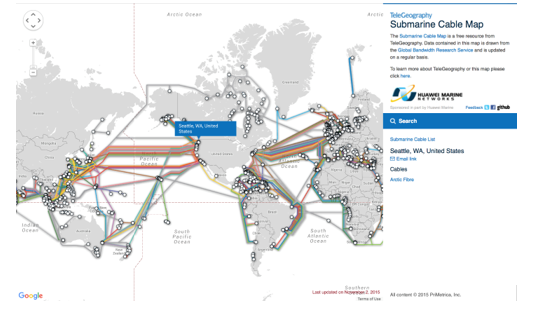
Routing latency happens when data takes a long path. On the regular internet, your info might bounce across countries on undersea cables, adding hundreds of milliseconds. For example, from my woods to a server in Europe? It zigzags through big cities far away.
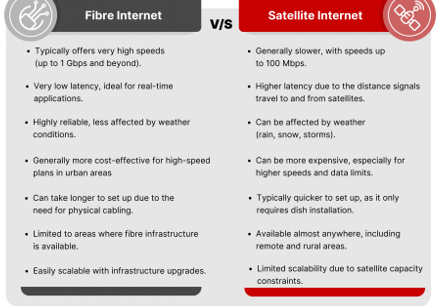
Old satellite internet was worse; satellites were way up high (35,000 km!), so signals went up and down super far. Ping? 600-800ms. Lag city!
The Game Changer: Low Earth Orbit Satellites:
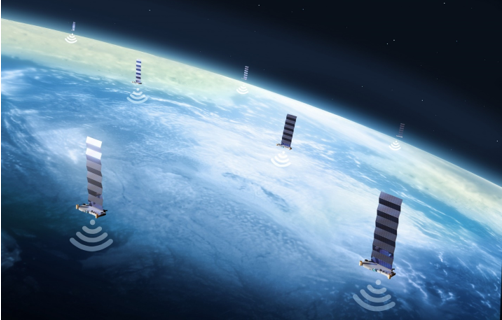
New satellite internet (like Starlink) uses Low Earth Orbit (LEO) satellites, only 550 km up! That’s way closer.
Data goes: Your dish → nearby satellite → maybe laser to other satellites → ground station → internet.
Shorter distance = less delay. My tests? Ping dropped to 20-50ms most times. Gaming felt smooth, no more “teleporting” enemies!
How It Tackles Routing Problems Head-On:
The cool part? Thousands of satellites talking to each other with lasers! Data hops satellite-to-satellite across the sky, skipping slow ground routes.
Example: Me in rural US to a friend in Australia. Old way: Data goes to a far city, under ocean cables, with lots of delay.
Satellite way: Up to space, laser hops over oceans, down near a friend. Often faster than fiber for super long distances!
Charts show: For trips over 5,000 km, satellite can beat ground paths because light in space goes straight and fast.
My Real-Life Tests: Wins and Small Hiccups:
- Gaming: From unplayable to winning matches. Ping 30-60ms, good enough for most games.

- Work calls: Clear video, no freezes.
- Speed tests: Downloads 100-300 Mbps, uploads 20-50 Mbps.
- Bad side: Rain or snow can slow it a bit. Ping jumps to 100ms sometimes when switching satellites.
Compared to my old setup? Night and day.
The Honest Answer: Yes, But Not for Everything:
Can satellite internet solve routing latency?
- Yes, big time for rural folks like me, brings low latency where none existed.
- Yes, sometimes for global routes, laser links make shortcuts over oceans or empty lands.
- No, not always better than city fiber (which has 5-20ms ping). Physics limits: Light speed means a minimum of ~4ms up-and-down.
But for solving bad routing in remote areas or long-distance hops? Absolutely yes, and getting better as more satellites launch.
Bottom Line:
My cabin life went from “internet hell” to “pretty great.” If you’re stuck with high latency, satellite might be your fix, too. Just set up the dish with a clear sky view.
FAQs:
1. What is the key technical improvement in modern satellite internet?
It uses Low Earth Orbit (LEO) satellites that are much closer to Earth than older models.
2. How does modern satellite internet improve latency?
Data travels a shorter distance to space and can hop via laser links between satellites.
3. For whom is modern satellite internet a major solution for latency?
It’s a game-changer for people in rural or remote areas with no good ground-based options.
4. In what scenario can satellite internet outperform ground-based fiber?
For very long-distance routes (e.g., over 5,000 km), its space-based laser shortcuts are faster.
5. What is a physical limitation that prevents the satellite from beating all fiber connections?
The fundamental speed of light and the distance to space create a minimum delay (~4ms) for each trip.
6. What is a common environmental factor that can temporarily worsen satellite performance?
Heavy rain, snow, or obstructed views of the sky can increase latency and reduce speeds.